
LAG silo semi-trailers: tipping and non-tipping silos
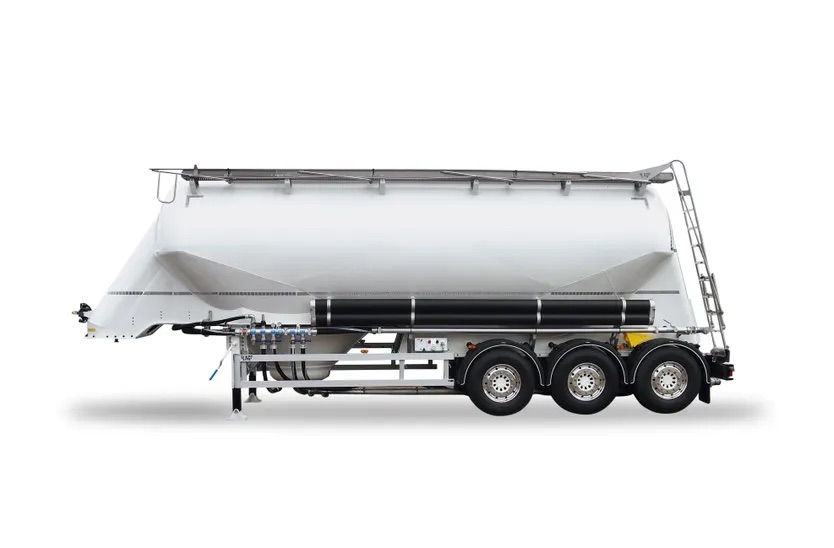
Granulates, feed or cement: tipping aluminium silo from 42 to 65 m³, or a conical silo with 36 or 39 m³ and a tare weight under 5 tonnes.
Tipping silo semi-trailer
42–65 m³, for granulates and powders
Tipping aluminium silo for granulates and powders, in nine sizes from 42 m³ to 65 m³. It features a continuous aluminium chassis, a continuous tipping hinge and a stress-free tank. The vacuum version has a modified vacuum pipe, filter and stiffening rings, with only a small weight increase.
| Volume | 42–65 m³ (9 sizes) |
|---|---|
| Chassis | continuous aluminium chassis |
| Tipping | continuous tipping hinge |
| Versions | standard, ADR, vacuum |
Optional equipment (selection)
- ADR version
- vacuum version (vacuum pipe, filter, stiffening rings)
Typical tasks: plastic granulates, feed, flour, sugar, lime and other bulk goods.
ADR tipping silo semi-trailer
ADR-grade aluminium, with protective brackets
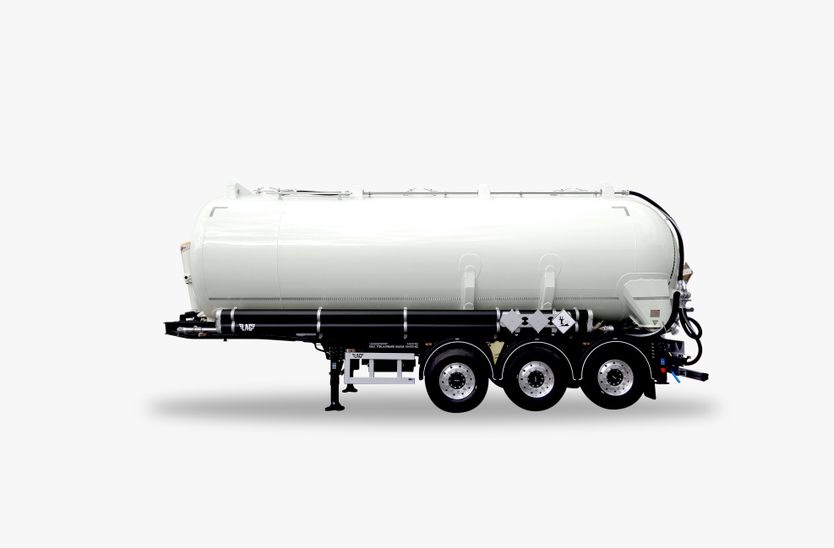
The ADR version of the tipping silo for dangerous bulk goods: made of higher-grade aluminium in line with ADR rules, with protective brackets over the tank section and exhaust, ADR wiring and tank inspection.
| Tank material | ADR-grade aluminium |
|---|---|
| Protection | protective bracket over the tank section and exhaust |
| Electrical system | ADR wiring |
| Handover | with tank inspection |
Typical tasks: transporting powders and granulates subject to ADR.
Non-tipping silo semi-trailer
36 or 39 m³, tare weight under 5 tonnes
For powders such as cement and sand. One compartment with two connected cones and rear discharge at 2 bar. A tare weight under 5 tonnes means a higher payload and a lower total cost of ownership.
| Volume | 36 m³ or 39 m³ |
|---|---|
| Powder payload | approx. 27 t (36 m³) / approx. 31 t (39 m³) |
| Compartment | 1 compartment, 2 connected cones |
| Discharge | rear, 2 bar |
| Tare weight | under 5 t |
Typical tasks: transporting cement, sand, lime and other industrial powders, with compressor discharge.
We help you find the right solution.
We will go through the key points in a short call.
What to know before choosing
Should I choose a tipping or a non-tipping silo?
A tipping silo offers a large volume (42–65 m³) for light, bulky products such as granulates and feed. A non-tipping conical silo (36 or 39 m³) is a good choice for high-density powders such as cement and sand, with a tare weight under 5 tonnes.
How much powder does the non-tipping LAG silo carry?
According to the manufacturer, the 36 m³ version carries approx. 27 tonnes and the 39 m³ version approx. 31 tonnes of powder. Discharge is at the rear, at 2 bar.
What compressor do I need for the silo?
Pneumatic discharge requires a compressor, which can be fitted to the vehicle or the tractor unit. PFS also supplies compressors for cement and powder transport; we recommend the model to suit the silo and the discharge requirements.
Let’s talk about your task!
Tamás Joó, who is responsible for sales of MEILLER bodies and LAG and Faymonville semi-trailers at PFS, helps you choose the LAG configuration that suits the product you transport and matches the vehicle with the discharge equipment.
Tamás Joó
We help you choose the configuration that suits the task and guide you through the purchase from quote to handover.
+36 70 604 4575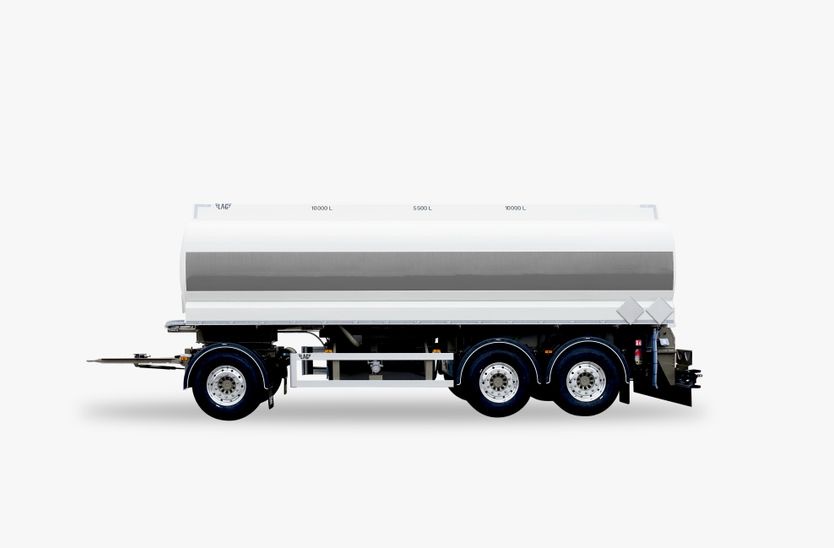
Fuel tankers
Aluminium fuel tanks for semi-trailers, drawbar trailers and trucks.
- Fuel tanker semi-trailerAluminium fuel tanker semi-trailer (ADR)
- Fuel tanker trailerAluminium tank trailer to match a truck body
- Fuel tank bodyTruck-mounted aluminium tank body

Tankers
Stainless steel tanks for chemicals, food and bitumen.
- Chemical tanker (ADR)Stainless steel tank semi-trailer for chemicals
- Food-grade tankerStainless steel tank semi-trailer (non-ADR)
- Bitumen tankerHeated, insulated tank semi-trailer (ADR)
- Tanker for neutral liquidsStainless steel tank semi-trailer (non-ADR)
Our other brands



LAG and LAG Trailers are trademarks of their owner. The technical data are based on the manufacturer’s public information and are for guidance only; the data of the specific vehicle are stated in the manufacturer’s quote.